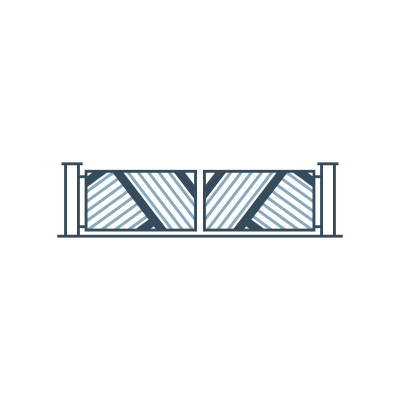
When a gate, railing, or fence becomes part of a property’s identity and security plan, a one-size-fits-all approach rarely delivers the best long-term result. Torrance Elite Metal Gates, Railing & Fences designs, fabricates, welds, installs, and repairs custom metal gates, railings, and fencing for residential and commercial properties across Torrance, California, and brings 20 years of experience to each project. The difference between site-specific fabrication and generic off-the-shelf components shows up in fit, function, durability, aesthetics, and the ability to address the unique challenges presented by an individual site. For homeowners and business owners who want a tailored solution, understanding those differences before you sign a contract helps you get a finished product that works for decades rather than months or years.
Site-specific fabrication begins where a stock product stops: at the actual site. Field measurements and on-site review let fabricators account for irregular openings, slopes, existing masonry, uneven grades, and limited access. Torrance Elite Metal Gates emphasizes field measurement and site-specific fabrication because many properties require adaptation—whether that means a driveway gate to match a nonstandard entry width, a stair railing that follows an unusual stair pitch, or a balcony guard that ties into historic masonry. Custom fabrication also allows a metalworker to incorporate reinforcement where a gate will bear more weight, to plan for future automation, or to fit a gate to an existing curb, threshold, or planter without resorting to makeshift shims and cut parts.
By contrast, off-the-shelf gates and railings aim for broad compatibility and fast installation. That speed and simplicity are advantages in the right setting, but prefabricated systems can leave gaps in performance and appearance. Standard components may require onsite modification to match a unique opening or slope; they may not accept heavy-duty hardware or access-control devices without additional reinforcement; and finishes or ornamentation may not align with the property’s architectural style. Where security, longevity, or a precise aesthetic matter, site-specific fabrication reduces the compromises that often accompany modular parts. It also makes later repairs and component replacement more straightforward because the original build is documented to the actual conditions of the site.
Material selection is another area where customization pays off. Torrance Elite Metal Gates works with steel, wrought iron, and aluminum, and each material behaves differently in performance, maintenance, and cost. Heavy-gauge steel and wrought iron provide strength and can be shaped into ornamental profiles, but they require appropriate corrosion protection in coastal or marine-influenced climates. Aluminum is lighter and naturally more corrosion-resistant, so it can be advantageous for wide gates, balconies, or locations where weight matters. Custom fabrication lets the contractor recommend structural sections, reinforcement, and connection methods best suited to the material and the intended use—choices that off-the-shelf items cannot always provide.
Finishes and corrosion protection are practical considerations that affect lifecycle cost. Options such as hot-dip galvanizing and high-quality powder-coating extend the service life of steel and iron in exposed conditions. Torrance’s mild weather with cool sea breezes, as described by the City of Torrance, can still introduce salt-laden air to coastal-adjacent properties, which accelerates corrosion on exposed metal over time. Discussing finish systems, sacrificial detailing, and maintenance intervals with a qualified contractor helps you balance appearance, longevity, and budget. Likewise, a custom approach anticipates points of water accumulation, fastener selection, and accessible surfaces for future touch-ups—small details that prolong useful life but are often overlooked with stock components.
If automation, access control, or strict safety requirements are part of the plan, site-specific design is essential. Automated gates require correct clearances, properly sized operators, sensors, and control wiring that align with the physical gate geometry and site conditions. Industry safety standards such as UL 325 and several ASTM standards guide the safe selection and installation of gate operators and protective devices; the American Fence Association and other industry groups recommend professional planning to ensure those elements work together. Whether you are considering a sliding gate with a perimeter detection system or a swing gate with smartphone entry, review operator options, safety interlocks, and code or permit implications with your contractor so your system is designed around real site constraints—not around what a catalog happens to offer.
Torrance Elite Metal Gates identifies itself as a California Contractors State License Board C-23 Ornamental Metal Contractor, which reflects the scope to assemble, cut, shape, weld, fabricate, and install ornamental metal for architectural uses. The CSLB also requires a written contract for home-improvement projects over $500 that specifies scope, materials, and price; requesting a clear, itemized proposal protects both owner and contractor. A site-specific estimate typically covers field measurements, materials, hardware, finish, demolition or concrete work if needed, and any automation or access-control components. To get a realistic picture of timeline, cost, and required permits, schedule an on-site consultation: Torrance Elite Metal Gates, Railing & Fences is located at 23840 Hawthorne Blvd, Torrance, CA 90505, and can be reached at (424) 358-3901. Call or request an estimate to review material options, finish choices, safety and automation considerations, and a written proposal tailored to your property.